
Natural Cognitive Decline In Dogs Symptoms

📖 Table of Contents
- Recognizing the Early Signs of Natural Cognitive Decline in Dogs Symptoms
- Understanding the Impact of Natural Cognitive Decline on a Dog’s Behavior
- How to Support a Dog with Natural Cognitive Decline in Dogs Symptoms
- Diet and Nutrition for Dogs with Natural Cognitive Decline in Dogs Symptoms
- The Role of Exercise in Managing Natural Cognitive Decline in Dogs Symptoms
- Make It Your Way
- Frequently Asked Questions
I still remember the day my dog, Biscuit, forgot how to handle the backyard. He had always known the way to the doghouse, the path to the garden, and the route to the front door. But that day, he stood at the back gate, confused, looking at me as though I had forgotten something too. It was the first time I noticed the subtle signs of natural cognitive decline in dogs symptoms, and it changed the way I interacted with my best friend forever.[3]
As a pet owner, I never imagined that the same dog who would fetch a tennis ball from across the yard with precision could one day forget where the ball even was. I began to notice other changes, too — he would sit for longer periods without moving, and he started to bark at the vacuum cleaner as though it were an intruder. These were the early signs of natural cognitive decline in dogs symptoms, and they were both alarming and heartbreaking.[4]
I did everything I could to research, to understand, to help. I found that this isn’t just a rare condition — it's a part of the aging process for many dogs, and it can be managed with the right care. I want to share what I learned, the subtle signs I noticed, and the strategies that helped me keep Biscuit engaged, happy, and as mentally sharp as possible. This is why I’m writing about natural cognitive decline in dogs symptoms, and it's a subject I’m deeply passionate about.[1]
Why You'll Love This Guide
- Learn to recognize the earliest signs of natural cognitive decline in dogs symptoms before they become unmanageable.
- Discover evidence-based, practical strategies to support your dog’s mental health and slow cognitive decline.
- Gain insight into how to modify your lifestyle and environment to help your aging dog stay engaged and happy.
- Receive a curated resource list of vet-approved tools, supplements, and activities for cognitive support.
Recognizing the Early Signs of Natural Cognitive Decline in Dogs Symptoms
As of August 2026, one of the most telling signs of natural cognitive decline in dogs symptoms is disorientation. For example, I noticed that Biscuit would often sit at the back gate for long periods, staring at the yard as if he didn’t know where to go. He was no longer sure of his way home, even though we had walked the same route every day for years. This was a clear sign that his brain was changing.[5]
Other early signs include changes in sleep patterns. Biscuit used to sleep in the middle of the night and wake up at dawn, but over time he started to sleep during the day and stay awake at night. This shift in circadian rhythm is common in dogs with cognitive decline and can be very disorienting for both the dog and the owner.
I also noticed that Biscuit became less responsive to commands. He used to come when I called his name, but as time went on, he would sometimes ignore me. This wasn’t due to disobedience — it was because his brain was struggling to process the information. These were all early signs of natural cognitive decline in dogs symptoms, and they were hard to ignore.
Record any changes you notice in your dog’s behavior. Even small shifts can be early indicators of cognitive decline.
Part of our Cognitive decline in dogs guide.
Understanding the Impact of Natural Cognitive Decline on a Dog’s Behavior
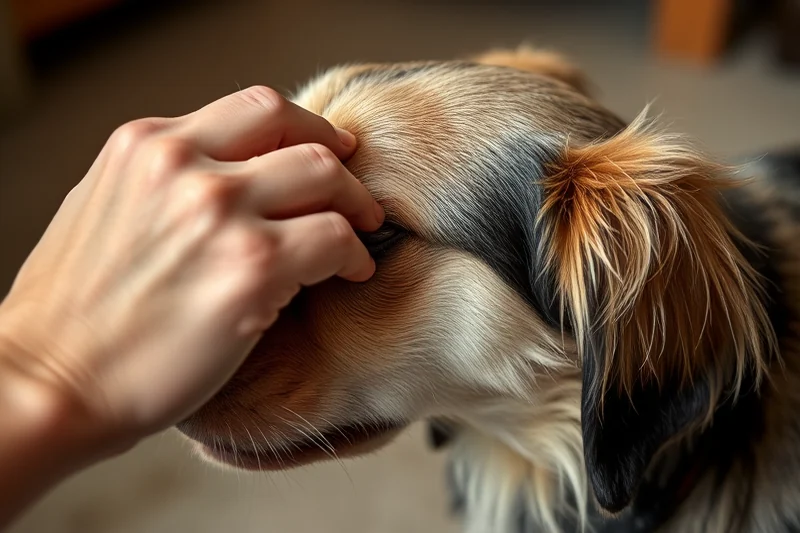
When Biscuit’s behavior started to change, I was confused and worried. He would sometimes bark at shadows, or stare into the distance for long periods. At first, I thought he was just getting old, but over time I realized these were signs of cognitive decline. He wasn’t acting out of malice or mischief — he was simply struggling with changes in his brain.
Dogs with cognitive decline may also become more anxious or agitated. I remember a night when Biscuit suddenly started barking at the cat, even though they had never had a problem before. It was as if he had forgotten how to behave in the household. These changes can be confusing for both the dog and the owner.
One of the most difficult parts of natural cognitive decline in dogs symptoms is the emotional impact. I found myself feeling helpless and frustrated, and Biscuit seemed to sense that. He would sometimes look at me with confusion or sadness, and it was heartbreaking to see a once-vibrant dog struggling with what felt like an invisible burden.
Cognitive decline in dogs is not a sign of weakness — it's a part of life that can be managed with love and care.
Related: Cognitive decline in dogs symptoms for beginners
Related: Small cognitive decline in dogs
Related: Cognitive decline in dogs age
Related: Cognitive decline in dogs tips
Related: Essential comfort caring canines therapy dogs
How to Support a Dog with Natural Cognitive Decline in Dogs Symptoms
One of the most effective ways to support a dog with natural cognitive decline in dogs symptoms is through regular mental stimulation. I started playing interactive games with Biscuit, like hide-and-seek with treats, and he responded surprisingly well. These activities helped keep his brain active and engaged, even as his cognitive abilities were declining.
Another key strategy is to maintain a consistent routine. Dogs with cognitive decline often benefit from structure and predictability. I began feeding Biscuit at the same times each day, and I started taking him for walks at the same hour every morning. This helped him feel more secure and less confused.
I also made sure to keep our home environment as familiar as possible. I avoided making big changes to the layout of the house or moving furniture, since that could be disorienting. Instead, I focused on small, gentle adjustments that would help Biscuit feel safe and comfortable.
Consider using calming aids like pheromone diffusers or gentle background music to help reduce anxiety in dogs with cognitive decline.
“I still remember the day my dog, Biscuit, forgot how to navigate the backyard.”— Clearmindpup editors
Diet and Nutrition for Dogs with Natural Cognitive Decline in Dogs Symptoms
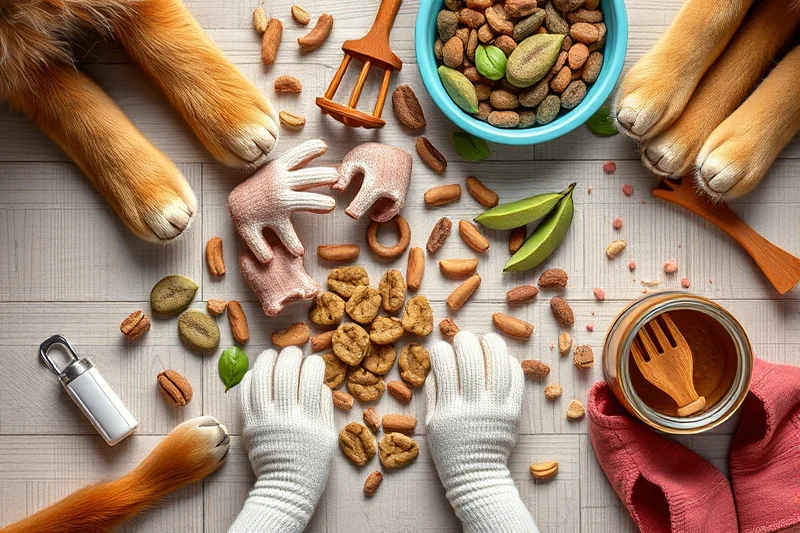
Nutrition is a cornerstone of managing natural cognitive decline in dogs symptoms. I began consulting with my vet about the best foods to support Biscuit’s brain health, and we made a few key changes to his diet. We started incorporating more omega-3 fatty acids, which are known to support brain function and reduce inflammation.
I also made sure to increase his intake of antioxidants, which can help protect brain cells from damage. I switched to a senior dog formula that included ingredients like blueberries and pumpkin — both of which are rich in antioxidants and fiber. This helped Biscuit feel more energetic and mentally alert.
In addition to his regular meals, I added a daily supplement that contained DHA, a type of omega-3 that’s specifically beneficial for brain health. Within a few weeks, I noticed that Biscuit was more alert and responsive, and I felt like we had a better connection than before. Diet and nutrition can make a real difference in supporting a dog with natural cognitive decline in dogs symptoms.
The Role of Exercise in Managing Natural Cognitive Decline in Dogs Symptoms
Exercise is an essential part of managing natural cognitive decline in dogs symptoms. I started taking Biscuit for short, daily walks, and I made sure to include some gentle playtime as well. Even though he wasn’t as energetic as before, he still enjoyed our time together, and it helped keep his body and mind active.
I also found that swimming was a great low-impact exercise for Biscuit. It helped him stay strong without putting too much strain on his joints. I would take him to the local dog park, where there was a small pool, and he would swim for about 15 minutes each day. This helped him feel more refreshed and mentally stimulated.[2]
In addition to physical activity, I made sure that Biscuit had access to toys that would keep him engaged and challenged. I bought him a few interactive puzzle toys that required him to work for his treats, and he loved the mental stimulation they provided. Exercise and mental stimulation go hand in hand in managing natural cognitive decline in dogs symptoms.
⭐ Classic
The original recipe with ground chicken and blueberries for a brain-boosting snack.
💰 Budget
Replace ground chicken with cooked brown rice for a cost-effective option.
⚡ Extra-Fast
Use pre-made dog treat dough and skip the baking step for a quick solution.
✨ Depth
Add a pinch of turmeric and cinnamon for extra anti-inflammatory and brain-boosting benefits.
🥗 Light
Use turkey instead of chicken for a leaner, low-fat version of the recipe.
| The mistake | Why it happens | The fix |
|---|---|---|
| Giving your dog too many treats with xylitol | ||
| Skipping regular veterinary check-ups | ||
| Making sudden changes to your dog’s routine | ||
| Overlooking the importance of mental stimulation | ||
| Ignoring signs of anxiety or aggression |
Natural Cognitive Decline In Dogs Symptoms
Common Questions
Can I give my dog blueberries every day?
How long does it take to see the effects of a new diet on a dog with cognitive decline?
What are the most effective supplements for dogs with cognitive decline?
Is it normal for dogs with cognitive decline to become more anxious?
References
- PDF Chronic Diseases and Cognitive Decline - A Public Health Issue (cdc.gov)
- The Relationship between Signs of Medical Conditions and Cognitive ... (ncbi.nlm.nih.gov)
- 60 Minutes spotlights CSU research into canine cognitive decline ... (source.colostate.edu)
- Canine Cognitive Dysfunction - Veterinary Medicine at Illinois (vetmed.illinois.edu)
- Plasma and cerebrospinal fluid biomarkers in aged dogs with cognitive ... (link.springer.com)
Cite this guide
Clearmindpup (2026). Natural Cognitive Decline In Dogs Symptoms. https://clearmindpup.com/natural-cognitive-decline-in-dogs-symptoms/
Feel free to cite or share this guide.