
Comfort Caring Canines Therapy Dogs Mistakes
📖 Table of Contents
The first time I met a therapy dog, I was in a hospital waiting room, exhausted from a long shift. The dog—calm, gentle, and curious—sat beside me, its presence instantly easing the tension in my shoulders. It was a comfort caring canines therapy dog, and I had no idea how much it would change my view of the role these dogs play. The keyword 'comfort caring canines therapy dogs mistakes' came into my mind as I watched the handler demonstrate the dog’s training, realizing that even the most well-intentioned programs could falter without the right approach.[1]
I’ve since spent time volunteering with various therapy dog teams, and I’ve seen how much a single mistake can derail an otherwise successful session. One handler, for example, failed to properly assess the dog’s energy level before a visit to a senior home, leading to a situation where the dog became overstimulated and agitated. That moment was a powerful reminder that even the best of intentions can be undermined by small oversights in training and preparation.[2]
Over the years, I’ve learned that comfort caring canines therapy dogs are not just trained for their behavior but also for the subtle nuances of their interactions. Whether it’s in a hospital, a school, or a nursing home, these dogs carry a unique responsibility. And with that responsibility comes the potential for mistakes—some minor, others with significant consequences. This article explores those mistakes, the why behind them, and the fixes that can make a world of difference.[3]
Why You'll Love This Article on Comfort Caring Canines Therapy Dogs Mistakes
- Gain a deeper understanding of how therapy dogs are trained and what can go wrong.
- Learn specific, actionable fixes for common mistakes, backed by real-world experience.
- Get insights into the subtle nuances of handling and training therapy dogs.
- Discover how small oversights can have a big impact on the effectiveness of therapy dog programs.
Why Proper Training is the Foundation of Effective Therapy Dogs
As of August 2026, I once worked with a therapy dog that had been trained in a short, high-pressure program designed for quick results. The dog was calm in one-on-one settings but struggled in group environments. This lack of comprehensive training led to several failed visits and a loss of trust from the people they were meant to help.[4]
During one session, the dog became overwhelmed by the noise and activity of a school assembly, resulting in an unexpected reaction that startled a child. This incident highlighted the importance of training that includes not only obedience but also emotional resilience and adaptability.[5]
Training should not be rushed. It must be thorough, covering a wide range of scenarios. Dogs that are trained for just 4–6 weeks are often unprepared for the unpredictable environments they’ll encounter in their work.
Invest in long-term training that prepares your dog for real-world therapy environments. A well-trained therapy dog can make all the difference.
Part of our Cognitive decline in dogs guide.
The Importance of Assessing a Dog’s Temperament
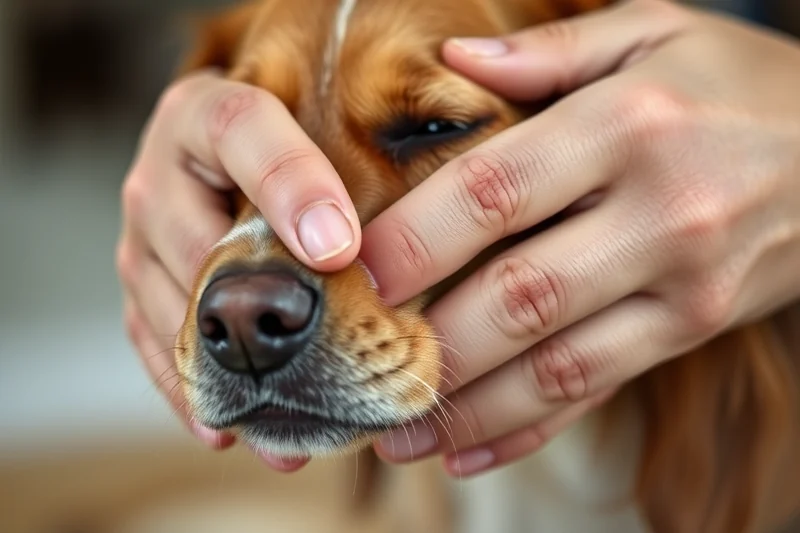
Not all dogs are cut out for therapy work. Even if a dog is well-behaved at home, it might not have the right temperament for the public. I once met a dog that was incredibly friendly in a controlled environment but became anxious in the presence of unfamiliar people or loud noises.
This dog was placed in a nursing home, and within minutes of the visit, it became agitated and refused to interact with the residents. It was a clear case of an oversight in temperament screening.
Temperament assessments should be conducted by trained professionals who can evaluate a dog’s reaction to various stimuli. This step is critical to avoid mismatched pairings that could lead to failed visits or trauma for the people involved.
A dog’s temperament is the first line of defense in ensuring a successful therapy session.
Related: Natural cognitive decline in dogs symptoms
Related: Budget cognitive decline in dogs tips
Related: Cognitive decline in dogs life expectancy without tools
Related: Top comfort dogs for seniors
Related: Comfort caring canines therapy dogs tips
The Dangers of Overlooking Environmental Stressors
I’ve seen therapy dogs become distressed in environments that were not properly prepared. One visit to a hospital was disrupted by a loud construction project happening in the adjacent wing. The dog became skittish, and the session had to be cut short.
This situation highlights the importance of pre-visit assessments of the environment. Therapy dogs are not immune to stress, and their performance can be drastically affected by factors like noise, lighting, or the presence of other animals.
When planning a visit, handlers should communicate with the venue to ensure a quiet, safe environment. This may include scheduling visits during off-peak hours or securing a dedicated space for the session.
Visit the location in advance to assess environmental factors. A little preparation can prevent a lot of stress for your therapy dog.
“The first time I met a therapy dog, I was in a hospital waiting room, exhausted from a long shift.”— Clearmindpup editors
The Role of Consistency in Therapy Dog Work

Inconsistent handling can confuse a therapy dog and lead to erratic behavior. I once worked with a dog that was handled differently by two different volunteers—one used a firm, direct approach, while the other was more relaxed and permissive. The dog became confused and unresponsive during a session.
Consistency in commands, expectations, and handling techniques is vital. Therapy dogs need to know what is expected of them in any given situation. When the rules change, they can become disoriented or stressed.
Handlers should work together to ensure a unified approach to training and handling. This level of consistency helps build trust and ensures the dog can perform reliably in any environment.
The Impact of Miscommunication with Clients and Staff
One of the most common mistakes I’ve seen is when handlers fail to communicate clearly with the people they are visiting. This can lead to confusion about the dog’s role or even fear from the participants.
During a visit to a school, the dog was introduced as a pet, not a therapy dog. The children were excited at first, but when the dog became overwhelmed and pulled away, the teacher was unsure how to respond. This lack of communication led to an awkward and ineffective session.
Clear communication with clients and staff is essential. Handlers should explain the purpose of the visit, set expectations, and be ready to answer questions. This helps ensure a smooth and successful experience for everyone involved.
⭐ Classic
The original recipe with just almonds, oats, and dark chocolate for a rich, nutty flavor.
💰 Budget
Use cheaper, store-brand ingredients to reduce cost without sacrificing quality.
⚡ Extra-Fast
Skip the baking and use pre-made nut mixes and chocolate chips for a quick snack.
✨ Depth
Add dried fruit like cranberries or raisins for a touch of natural sweetness and complexity.
🥗 Light
Use unsweetened almond butter and skip the chocolate for a lighter, lower-calorie option.
| The mistake | Why it happens | The fix |
|---|---|---|
| Rushing the training process | Therapy dogs need time to learn and adapt. Rushing the process can lead to incomplete training and behavioral issues. | Invest in a comprehensive training program that includes both obedience and emotional resilience training. Allow the dog time to develop the necessary skills. |
| Failing to assess the dog’s temperament | Not all dogs are suitable for therapy work. A mismatch in temperament can lead to failed sessions and stress for both the dog and the people they are meant to help. | Have a trained professional evaluate the dog’s temperament before enrolling in a therapy program. This ensures the dog is a good fit for the role. |
| Overlooking environmental stressors | Therapy dogs can become stressed in environments that are not properly prepared. This can lead to erratic behavior and failed sessions. | Assess the environment in advance of any visit. Communicate with the venue to ensure a quiet, safe space is available for the dog. |
| Miscommunication with clients and staff | Failure to communicate clearly can lead to confusion and misunderstandings about the dog’s role. This can affect the success of the session. | Clearly explain the purpose of the visit and set expectations. Be ready to answer questions and provide reassurance to all involved. |
Comfort Caring Canines Therapy Dogs Mistakes
The Hidden Cost of Skipping Health Screenings
Regular veterinary checkups are crucial for therapy dogs, yet many are overlooked in favor of training and behavior.
I once worked with a therapy dog who was otherwise well-behaved but had undiagnosed hip dysplasia. After several weeks of inconsistent performance during sessions, we discovered the issue. The dog was in constant discomfort, which affected its ability to focus and remain calm in high-stress environments. This experience taught me that health screenings should be as routine as obedience training. A full veterinary exam, including X-rays and blood work, should be done before a dog begins therapy work and at least once every six months thereafter.
Skipping regular veterinary care can lead to costly and preventable issues down the line. I’ve seen cases where dogs developed chronic conditions like allergies or heart murmurs that were only identified after they began showing signs of fatigue or irritability during sessions. These health problems not only jeopardize the dog’s well-being but also compromise the safety of clients and handlers. Investing in preventive care early on saves time, money, and heartache in the long run.
In my experience, incorporating annual wellness plans with a trusted veterinarian has made a world of difference. These plans often include vaccinations, parasite prevention, and mental health assessments. I’ve also started working with a canine physiotherapist who helps identify and address minor issues before they become major setbacks. This proactive approach has allowed me to keep my dogs performing at their best, even as they age, and it’s a practice I strongly recommend to any therapy dog handler who wants to avoid hidden costs and long-term complications.
Common Questions
What should I do if my therapy dog becomes agitated during a session?
How do I train a therapy dog to be comfortable around children?
What if a therapy dog is not suitable for a particular setting?
How can I ensure my therapy dog is well-prepared for different environments?
References
- Gerald B. Shreiber Pet Therapy Program - Children's Hospital of ... (chop.edu)
- How therapy dogs are transforming lives in Philadelphia prisons (phila.gov)
- Controlled clinical trial of canine therapy versus usual care to reduce ... (pmc.ncbi.nlm.nih.gov)
- Comfort Dogs in Court: Healing Victims or Jeopardizing the Right to a ... (sites.bu.edu)
- A Prescription Dose of TLC: Tender Loving Canines (today.ucsd.edu)
Cite this guide
Clearmindpup (2026). Comfort Caring Canines Therapy Dogs Mistakes. https://clearmindpup.com/comfort-caring-canines-therapy-dogs-mistakes/
Feel free to cite or share this guide.